


What is the da Vinci Surgical Robot?
The da Vinci Surgical Robot is the world's leading intelligent minimally invasive surgical system, composed of a surgeon console, a four-arm robotic system, and a 3D high-definition imaging system. With its 540° freely rotating simulated robotic arms and 10x magnified naked-eye 3D visualization, it enhances surgical precision to submillimeter levels, surpassing the physiological limits of human hands and eyes, achieving a revolutionary breakthrough as an "extension of the surgeon's vision and dexterity."
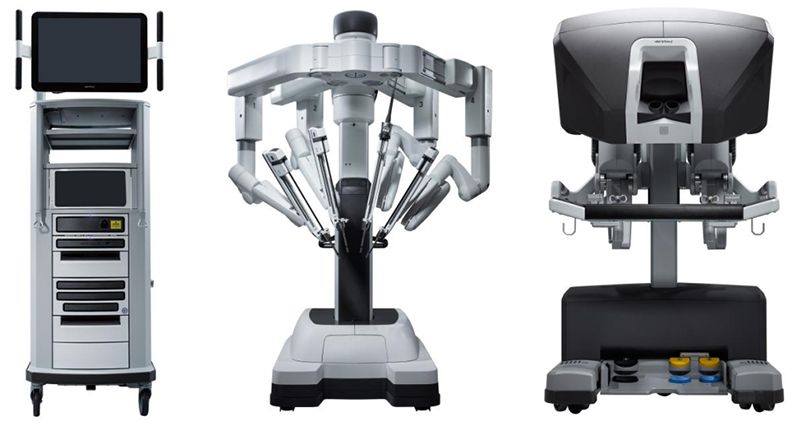
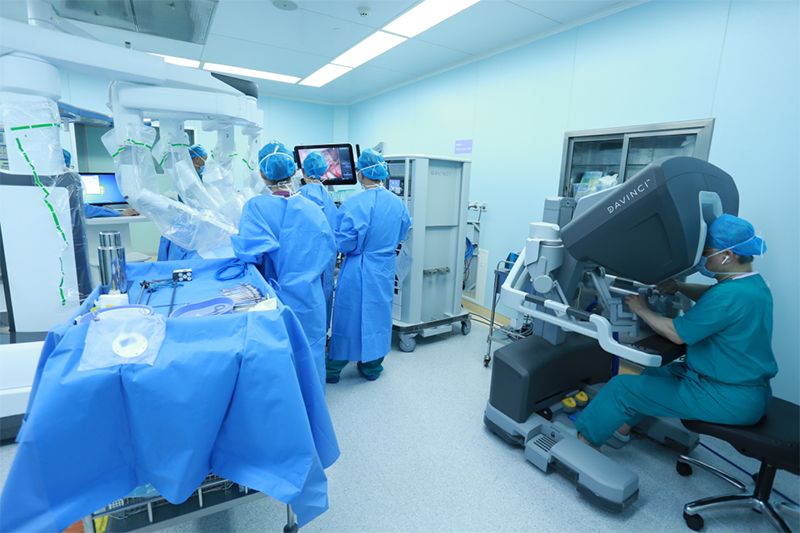
Four Core Advantages: Precision, Safety, Efficiency
1. Vision Beyond Human Eyes
→ 10x high-definition magnification: Reveals true 3D anatomical structures, making even hair-thin blood vessels and nerves clearly visible.
→ Auto-focus technology (exclusive to 4th-gen Xi): Automatically tracks the surgical site during procedures, ensuring a blind-spot-free field of view.
2. Steady Arms Surpassing Human Hands
→ 540° unrestricted rotation: Robotic wrists offer far greater dexterity than human hands, enabling precise maneuvers in confined spaces (e.g., pelvis, kidneys).
→ Intelligent tremor filtration: Automatically cancels out physiological hand tremors to prevent accidental damage to sensitive tissues.
3. Guardian of Minimally Invasive Surgery
→ 0.5cm micro-incisions: Requires only 4-6 small ports, reducing blood loss by over 50%.
→ Precision organ function preservation: Enables complete kidney preservation during tumor resection.
4. Accelerator for Faster Recovery
→ 30% shorter operative time: Robotic arms enable efficient suturing.
→ Discharge within 3-5 days: Minimal trauma, reduced pain, and 60% lower risk of complications.
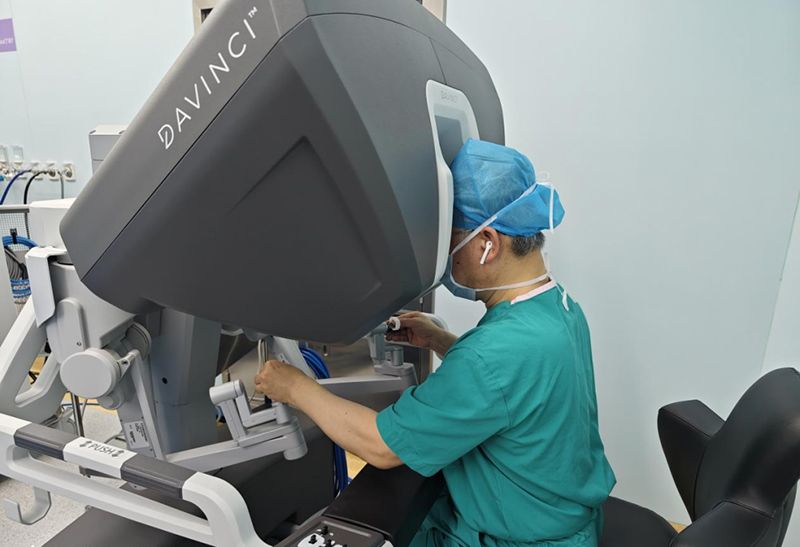
Core Indications Spanning Multiple Disciplines:
Urology:
→ Partial nephrectomy for renal tumors (kidney function preservation)
→ Radical prostatectomy (nerve-sparing technique)
→ Complex pyeloplasty
Oncologic Surgery:
→ Radical resection of colorectal cancer (low anterior resection with sphincter preservation)
→ Precision lobectomy for lung cancer
Gynecologic Surgery:
→ Radical hysterectomy for cervical cancer (fertility-sparing approach)
→ Excision of deep endometriosis lesions
Other Complex Procedures:
→ Hepato-pancreato-biliary tumor resection
→ Lymph node dissection for thyroid cancer
Who is the Ideal Candidate for da Vinci Surgery?
Patients Requiring Organ Function Preservation
→ Younger cancer patients
→ Prostate cancer patients seeking to avoid urinary incontinence/sexual dysfunction
Patients with Tumors in High-Risk Anatomical Areas
→ Tumors adjacent to major blood vessels/nerves (e.g., renal hilum, deep pelvis)
→ Obese patients with limited visibility in conventional surgery
Those Prioritizing Rapid Recovery
→ Patients desiring shorter hospitalization (3-5 day discharge)
→ Individuals seeking reduced postoperative pain and minimal scarring (0.5cm micro-incisions)

 微信公众号
微信公众号